

Popular Science on Titanium Dioxide Production Processes: Sulfate Process vs. Chloride Process
Titanium dioxide is mainly produced via two industrial processes, both capable of manufacturing anatase and rutile grades. Their core differences are as follows:
I. Sulfate Process
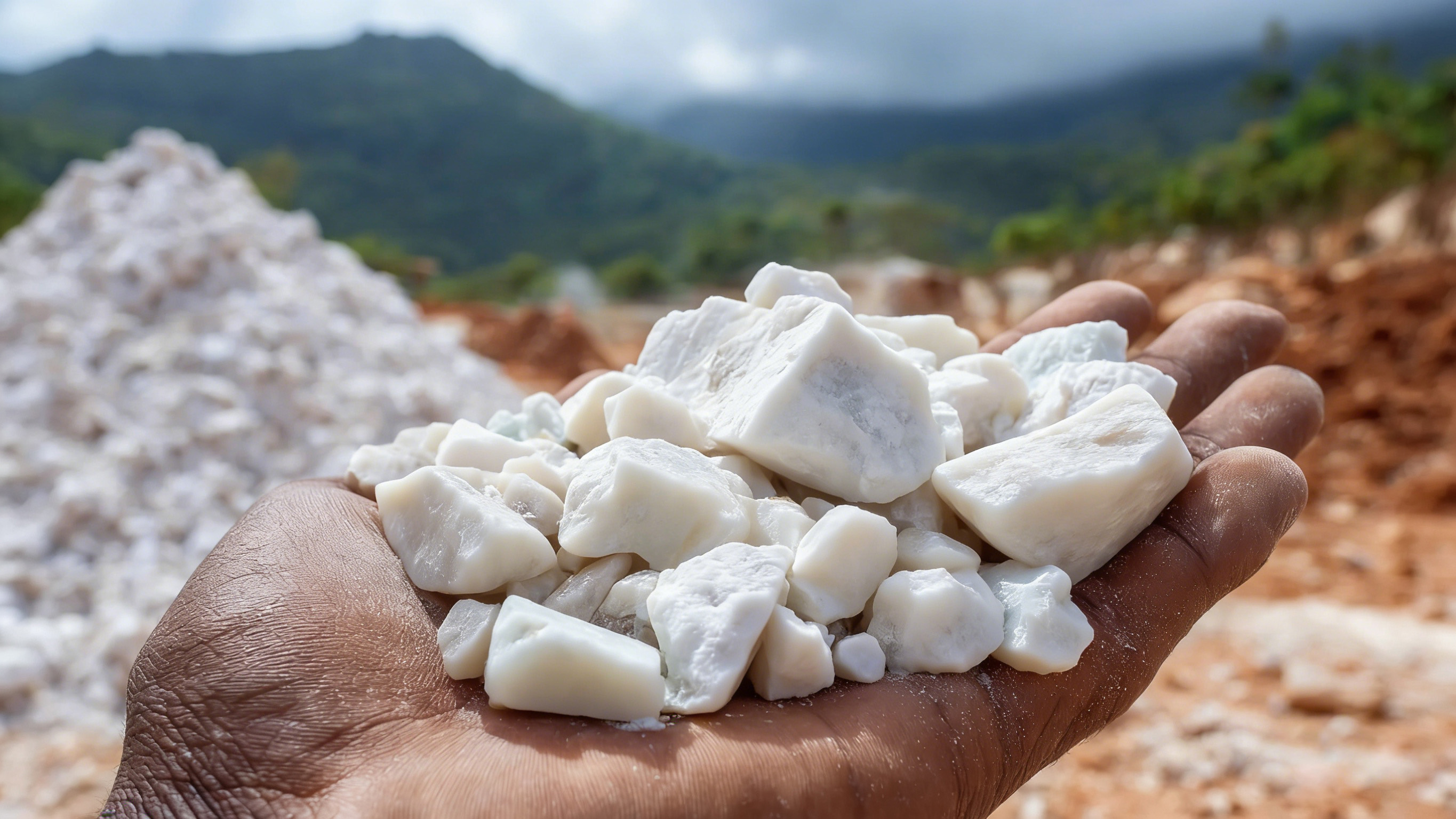
Flow: Titanium ore reacts and dissolves with sulfuric acid → crystallization for iron removal → precipitation and hydrolysis → filtration and washing → calcination to obtain TiO₂
Features:
- Long industrial history with mature technology, adaptable to titanium ores of various grades
- Controllable cost, suitable for cost-sensitive general-purpose coatings, interior flat paints, and other applications
II. Chloride Process
Flow: Titanium ore reacts with chlorine and carbon at high temperatures to form TiCl₄ → purification to remove impurities → high-temperature oxidation to produce TiO₂
Features:
- Gaseous-phase reaction enables more thorough impurity removal, resulting in high product purity
- Stronger controllability over particle size distribution and excellent batch consistency
- Ideal for high-gloss paints, outdoor industrial coatings, coil coatings, and other applications demanding high optical performance and weather resistance
III. General Finishing Process
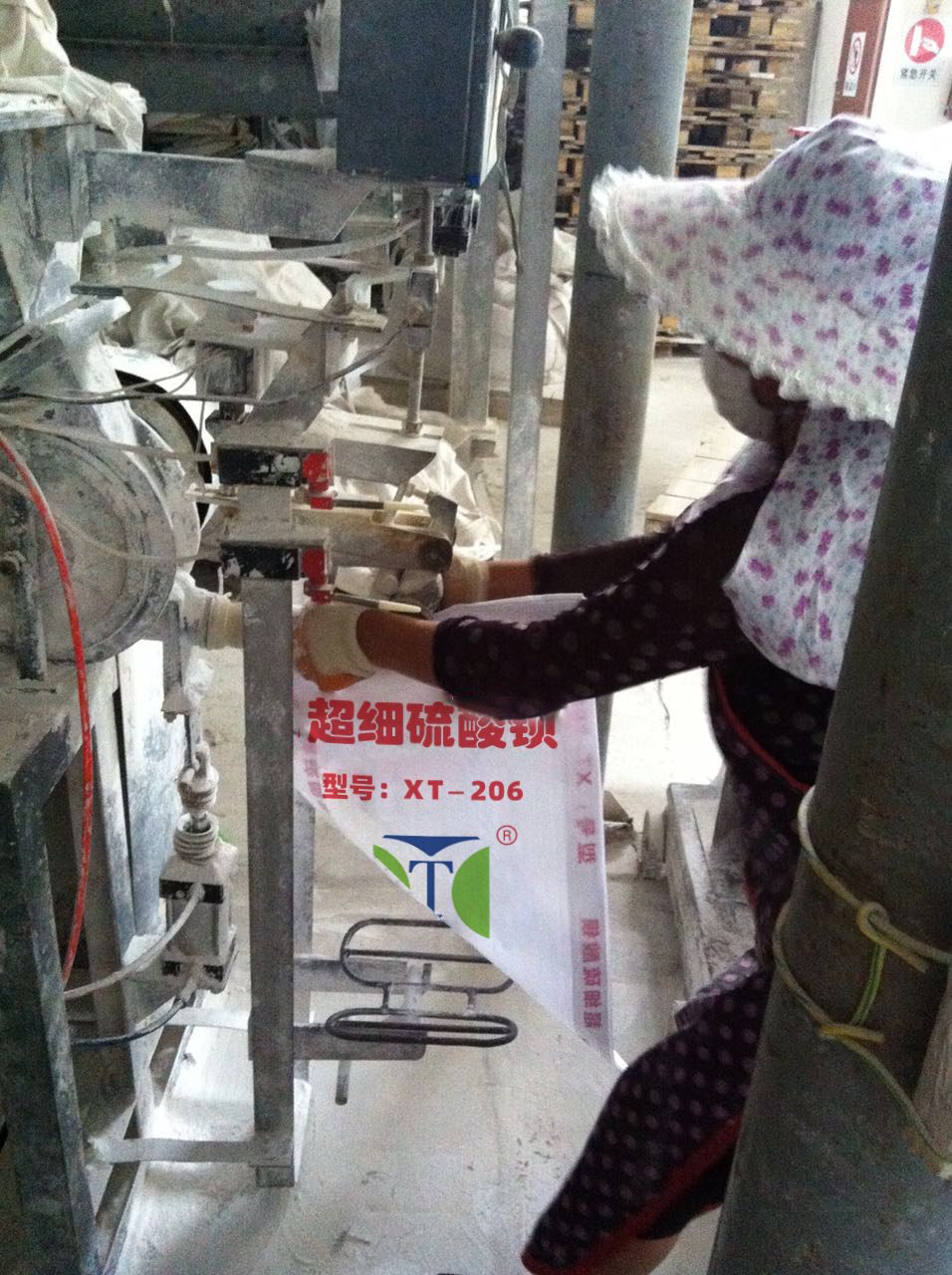
The intermediate TiO₂ produced by either process undergoes the following steps:Surface treatment / coating → filtration / washing / drying → milling → packaging
This stage directly influences the dispersibility, gloss performance, and final application effects of titanium dioxide in coating systems.
IV. Advantages of Our Titanium Dioxide Products
We provide high-quality titanium dioxide suitable for different production routes, and can recommend the optimal solution based on your application scenario:
- General-purpose grade: Ideal for interior architectural coatings with outstanding cost performance
- High-performance grade: Produced via the chloride process, designed for high-end applications requiring superior weather resistance and high gloss

