

Optical Properties of Titanium Dioxide Pigment: Why It Is Central to the Hiding Power and Tinting Strength of Coatings
In coating formulations, titanium dioxide (TiO₂) pigment often accounts for a significant portion of the cost. But why is it indispensable? The answer lies in two critical optical indicators: hiding power and tinting strength.
I. Extender Pigments: Supporting Role, Not a Substitute for TiO₂
Extender pigments (also known as fillers) are mineral powders added to coatings in addition to TiO₂ and binders, typically at a lower cost. Common types include carbonates, silicates, sulfates, oxides, etc.
With a low refractive index, extender pigments possess almost no hiding power themselves. Their primary functions are:
- Providing dry-film leveling in gloss and semi-gloss coatings (forming air-pigment interfaces)
- Adjusting gloss, texture, suspension, and viscosity
- Reducing production costs
Key application logic: Extender pigments must be used in conjunction with TiO₂. High-gloss paints incorporate smaller amounts of extender pigments, while flat paints use larger amounts. In either case, hiding power and whiteness depend on TiO₂.
II. Hiding Power and Tinting Strength: The Core Value of TiO₂
These two indicators collectively characterize the light-scattering efficiency of white pigments (TiO₂) and serve as the fundamental basis for formulation selection.
Hiding Power
The ability of TiO₂ to cover contrasting-colored substrates. It achieves coating opacity by scattering visible light across the entire spectrum, preventing the substrate color from showing through.
Tinting Strength
The ability of TiO₂ to enhance whiteness and brightness in tinted coatings. When mixed with colored pigments, the light-scattering effect of TiO₂ counteracts the light-absorbing properties of colored pigments, determining the final coating’s brightness and hiding performance.
III. Mechanism Illustration
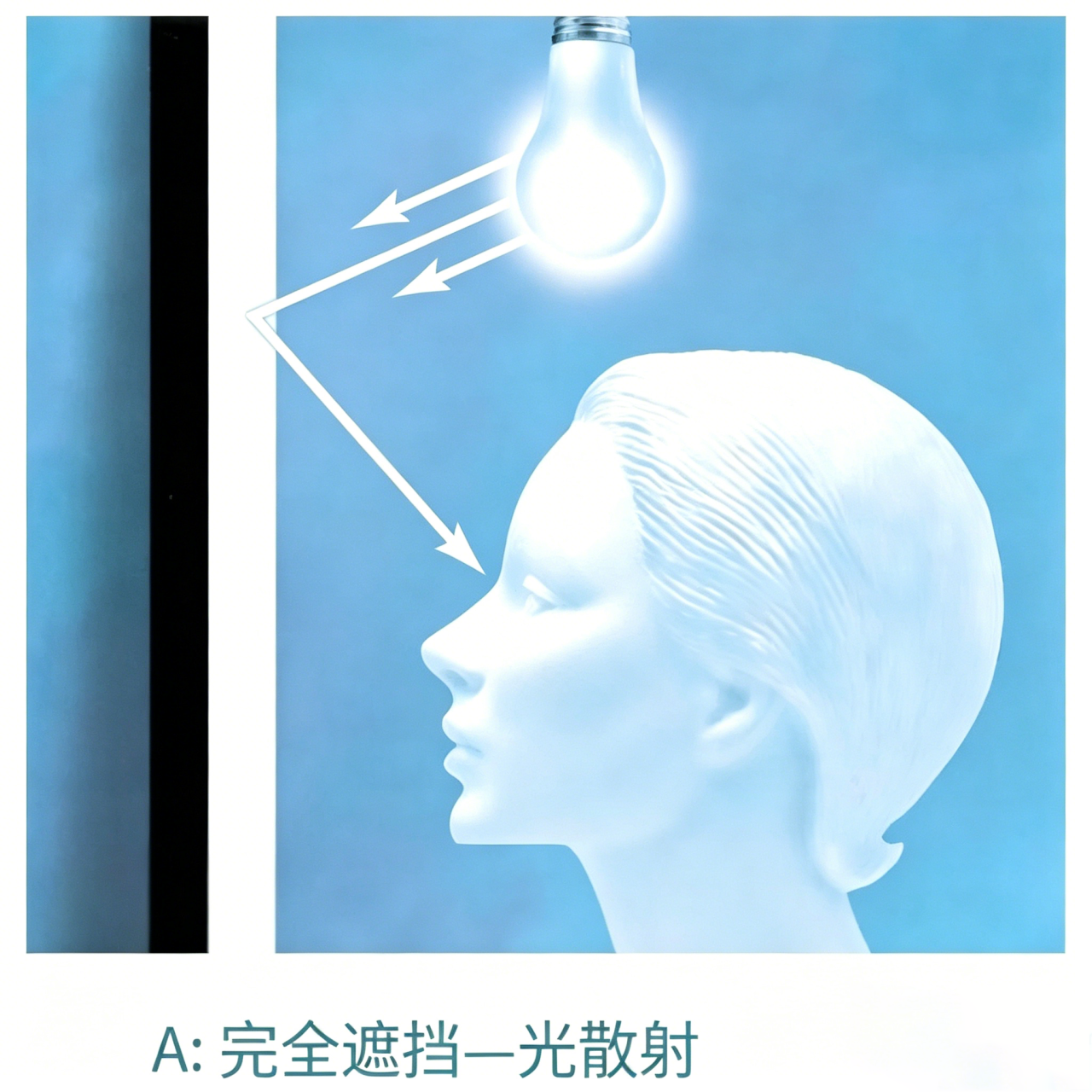
Coating A (Complete hiding · Scattering type): Pure white, with all incident light scattered or reflected by TiO₂, unable to reach the substrate.
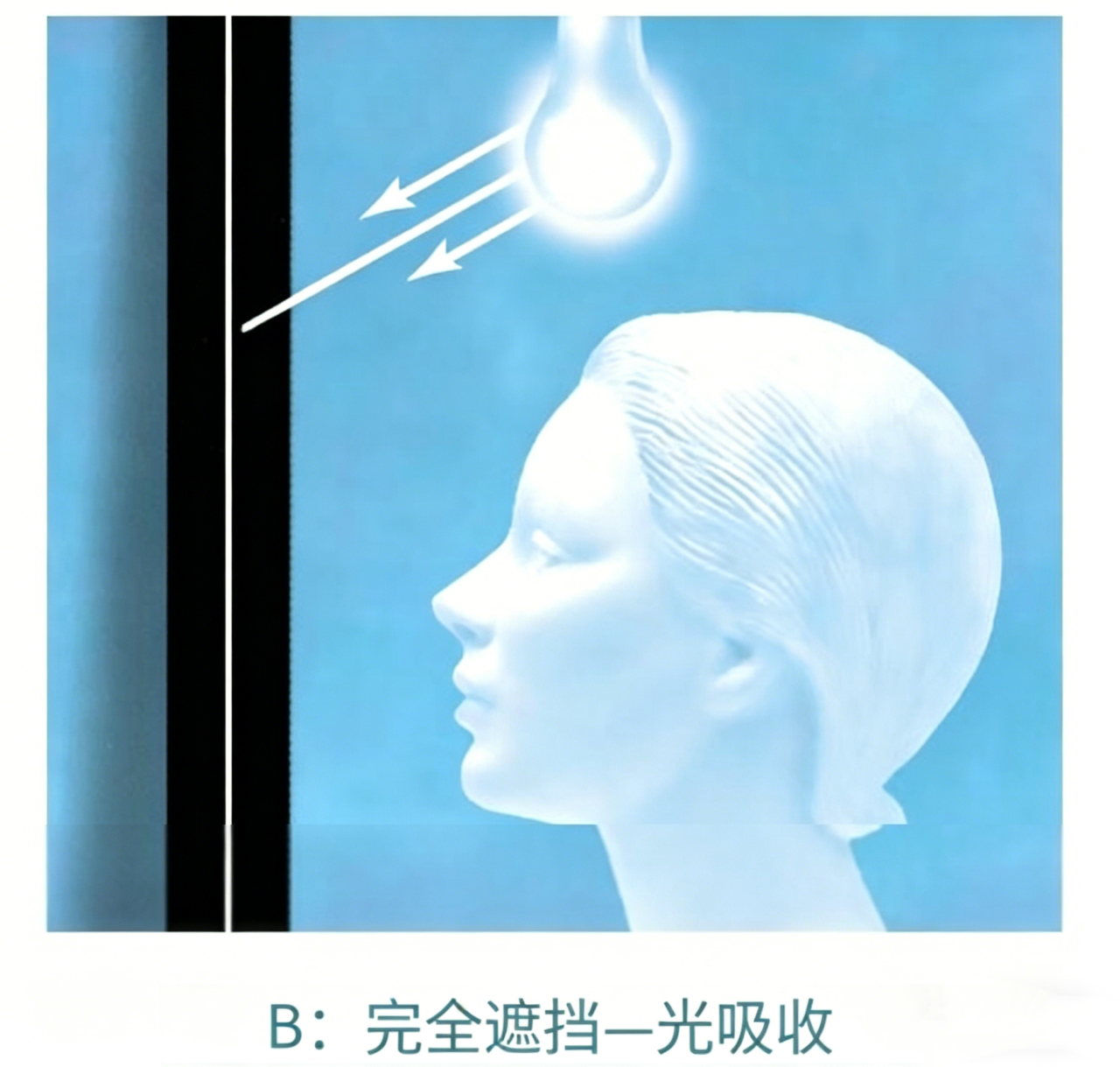
Coating B (Complete hiding · Absorption type): Pure black, absorbing all incident light.
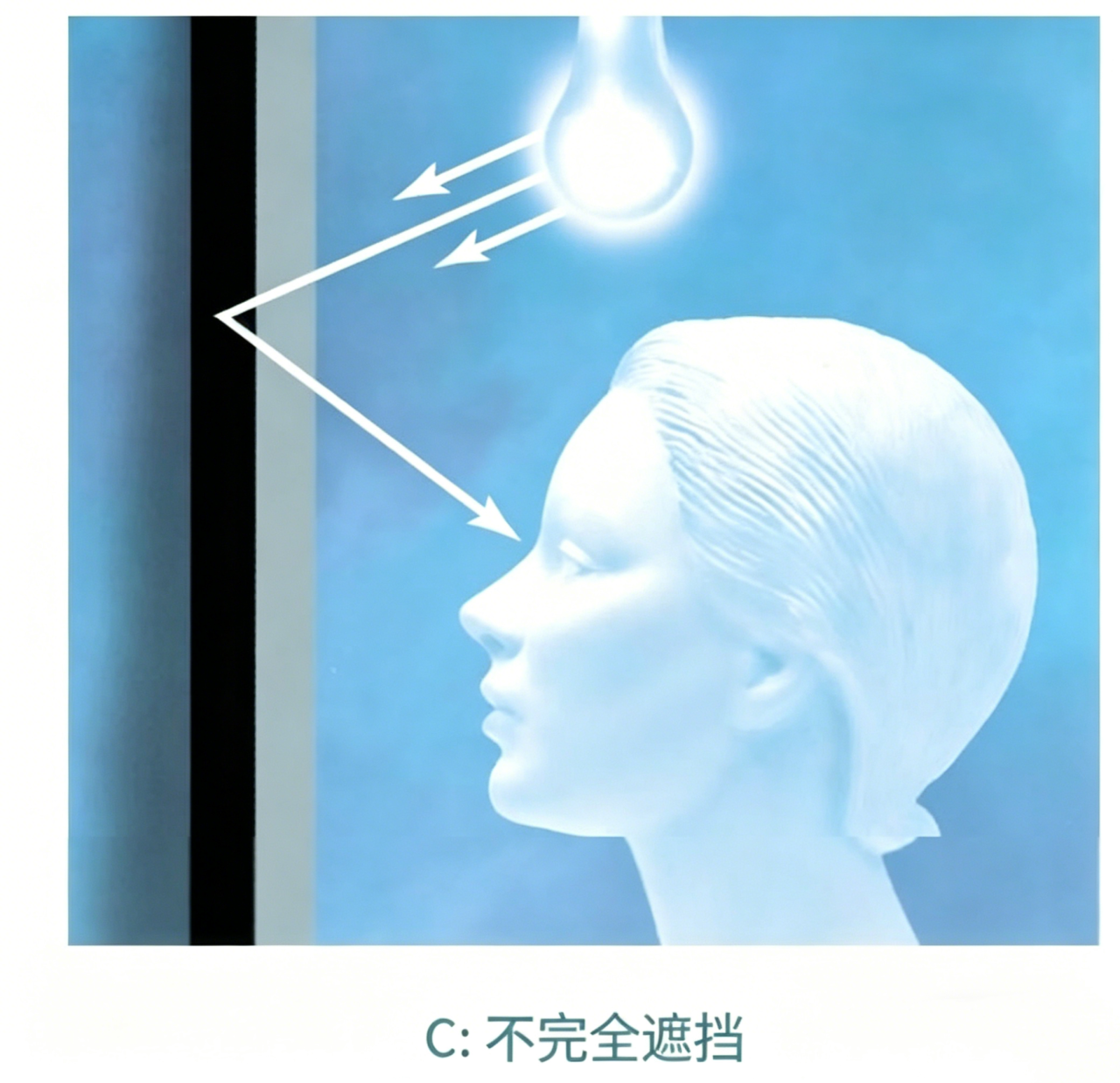
Coating C (Incomplete hiding): White coating with insufficient thickness or TiO₂ content, allowing some light to penetrate and be absorbed by the dark substrate, resulting in a gray appearance.
Conclusion: To achieve the effect of Coating A, it is essential to select TiO₂ with high scattering efficiency and ensure adequate usage and film thickness.
IV. Testing Considerations: Avoiding Flocculation Interference
When measuring tinting strength, pigment flocculation can lead to underestimated results. It is recommended to conduct a rub-up test simultaneously to assess the degree of flocculation in the coating, ensuring the true tinting strength of TiO₂ is measured.
Summary
- Extender pigments play a supporting role, reducing costs and adjusting physical properties, but cannot provide hiding power.
- TiO₂ is the star performer, with its hiding power and tinting strength directly determining the final optical performance of coatings.
- Selecting TiO₂ with high light-scattering efficiency and good dispersibility is key to ensuring hiding and cost savings.
Our TiO₂ products undergo rigorous optical performance testing, providing stable, high-scattering-efficiency hiding power and tinting strength, suitable for various coating systems from high-gloss to flat. Welcome to inquire and request samples.

