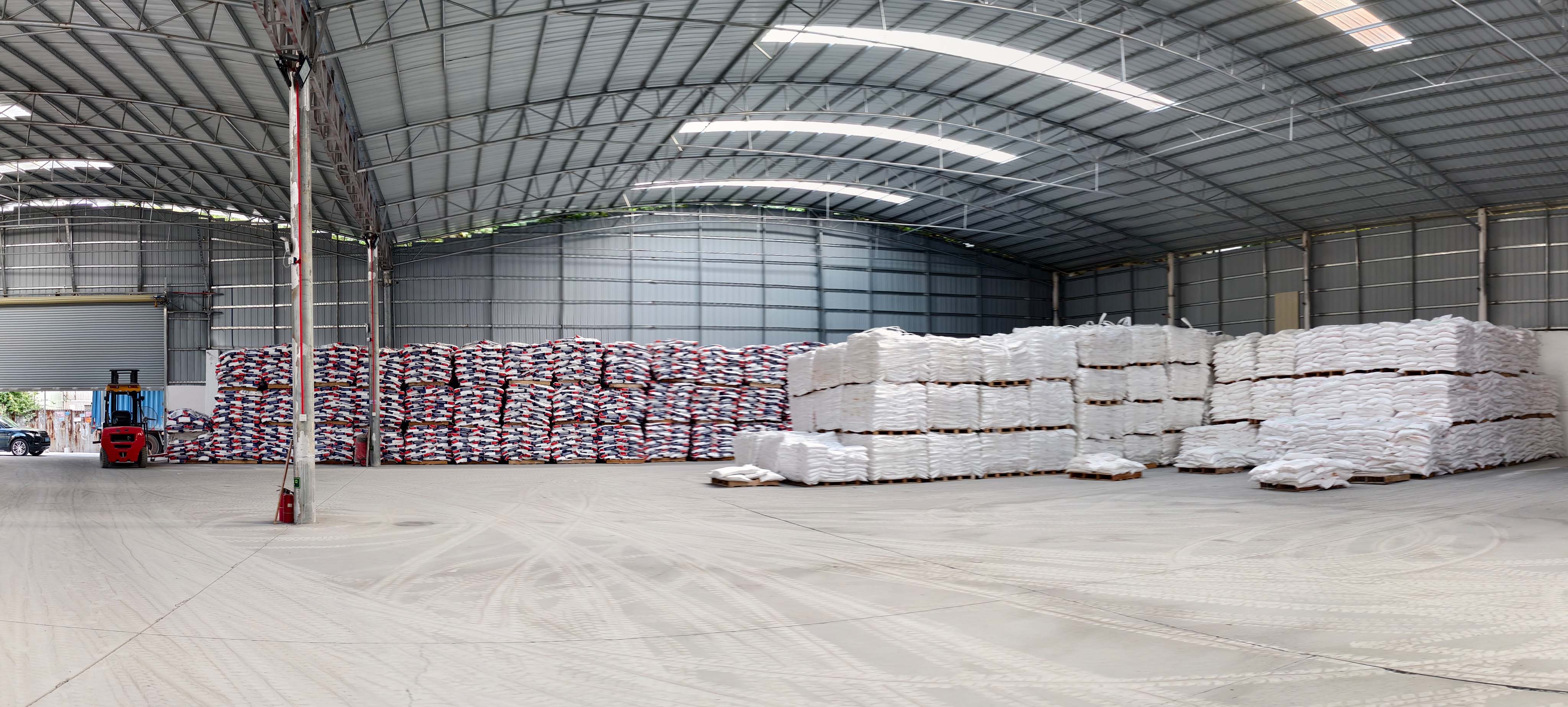
In the production of coatings, plastics and inks, are they often troubled by poor dispersion of fillers, high oil absorption, poor gloss and difficult cost control? Modified precipitated barium sulfate was precisely developed to address these industry pain points! Choose the right filler and achieve a win-win situation in terms of performance and cost!
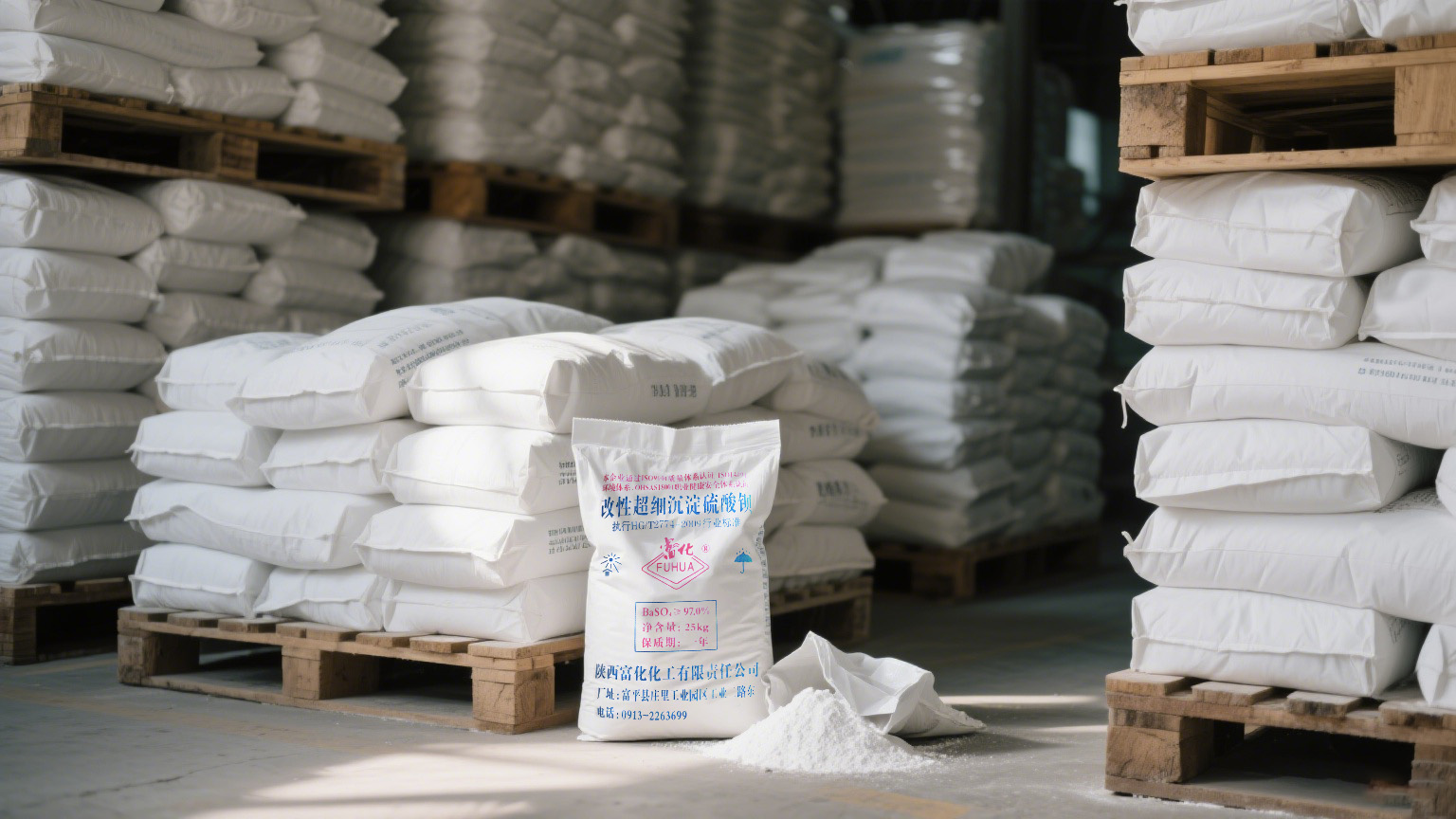
Modified precipitated barium sulfate solves various application difficulties
Barium sulfate precipitate itself has the advantages of high whiteness, high specific gravity, chemical inertness, acid and alkali resistance, and easy dispersion. However, common precipitated barium sulfate often encounters some “pain points” in application, which limits the full play of its performance and its wider application. Modified precipitated barium sulfate has been deeply optimized precisely for these pain points:
01 . Poor dispersibility, prone to agglomeration and caking
Manifestation: In systems such as coatings, plastics, and inks, common barium sulfate particles tend to clump together and are difficult to disperse evenly, resulting in rough coating surfaces, low gloss, uneven mechanical properties, and even clogging of spray guns or equipment.
How to solve the problem of modified precipitated barium sulfate? Through special surface modification treatments (such as using coupling agents or surfactants like silane, titanate, stearic acid, etc.), the wettability of the particle surface and its compatibility with the base resin/solvent have been significantly improved, enabling the particles to be easily and stably dispersed in the system, reducing agglomeration, and enhancing processing smoothness and uniformity of the final product.
02 . High oil absorption value, increasing costs
Manifestation: Fillers with a high oil absorption value require more resin or binder to be wetted and wrapped. This not only increases the formula cost, but may also affect the viscosity, rheology and final solid content of the system, leading to a decrease in the covering power and fullness of the coating/ink or a deterioration in the processing performance of the plastic.
How to solve the problem of modified precipitated barium sulfate? The modification treatment effectively reduces the surface energy of the particles, making them easier to be wetted by resins/solvents, thereby significantly lowering the oil absorption value. This means that when achieving the same filling volume and performance requirements, the amount of expensive resin can be saved and the overall formula cost can be reduced.
03 . Affects the gloss and leveling of the system
Manifestation:If unmodified barium sulfate particles are not well dispersed or their surface properties do not match, it will affect the smoothness of the coating film or the surface of plastic products, resulting in a decrease in gloss and poor leveling, which will affect the appearance and hand feel of the product.
How to solve the problem of modified precipitated barium sulfate? The excellent dispersibility and low oil absorption value work together to enable the modified precipitated barium sulfate to be more evenly distributed in the system, reducing light scattering and helping to enhance the gloss and surface flatness (leveling property) of the coating or product.
04 . Weak adhesion to the substrate affects performance
Manifestation:The bond between common barium sulfate and the polymer matrix (plastic, rubber, resin) is physical, and the interfacial bonding force is relatively weak. This may lead to the mechanical strength of the filling material (such as tensile strength and impact strength) not meeting expectations, and even become a weak point when subjected to force.
How to solve the problem of modified precipitated barium sulfate? The surface modifier builds a “molecular bridge” between the barium sulfate particles and the base resin, enhancing the interfacial compatibility and adhesion. This enables the modified precipitated barium sulfate not only to fill and increase volume but also to play a certain reinforcing role, enhancing the comprehensive mechanical properties of the composite material.
05 . Insufficient weather resistance (for specific applications)
Manifestation:In outdoor application coatings or plastics, common fillers may age themselves or accelerate the aging of the substrate due to factors such as ultraviolet rays and damp heat, affecting the product’s lifespan.
How to solve the problem of modified precipitated barium sulfate? The modified precipitated barium sulfate itself has excellent chemical stability. By choosing specific modifiers or controlling the production process, modified precipitated barium sulfate products can better maintain their excellent weather resistance and yellowing resistance, and are suitable for outdoor products with high durability requirements.

Modified precipitated barium sulfate: Key parameter indicators
| Project | Indicators |
| BaSO4(as per dry) % | ≥98.00 |
| Water soluble substance % | ≤0.10 |
| Average Partical Size (μ m) | 0.5-0.7 |
| Whiteness % | ≥99.0 |
| Oil absorption g/100g | 15-25 |
| PH (100g/L water suspention) | 7.0-9.0 |
| Fineness ( 45μ m test Mesh residue) | ≤0.08 |
| Fe % | ≤0.0015 |
Modified precipitated barium sulfate, with its precise surface modification, has become an efficient solution for improving quality and reducing costs in the coatings, plastics, and inks industries! Remember the product selection mnemonic: “Whiteness is the face, particle size is the foundation, oil absorption controls costs, and dispersion is the key.” Easily lock in high-quality fillers and empower product upgrades!