


Innovating Titanium Dioxide Solutions for High Performing, Visually Appealing Plastics
Since the 1950s, the plastics industry has benefited from high-quality TiO₂ products and services that resolve color, opacity, and weatherability issues. As the plastics industry evolves, XINTU TiO₂ continues to enable thinner films, brighter colors, and enhanced reflectivity to meet market needs.
A pioneer of chloride-process titanium dioxide (TiO₂) technology, Chemours is a market-leading supplier with global capacity and reach. XINTU TiO2 adds a range of performance benefits to various types of plastic systems, including opacity, UV damage resistance, color retention, gloss, brightness, mechanical strength, and more.
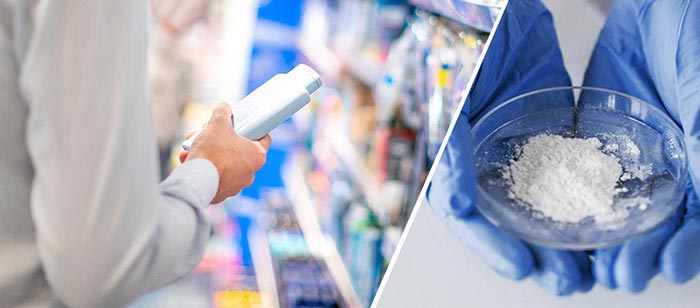
Polyolefins (Polyethylene and Polypropylene)
With few exceptions, most polyolefin applications involve preparing a TiO2 concentrate by batch or continuous compounding before reducing the concentrate into the finished product. In this regard, ease of dispersion, resistance to yellowing, and optical properties are important performance properties. For thin-film and extrusion coating applications, dispersion performance and resistance to lacing and discoloration at elevated processing temperatures are of major concern.
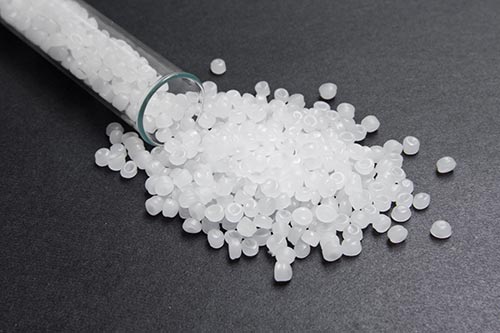
Polyvinyl Chloride (PVC)
Selecting the optimal grade of XINTU titanium dioxide for rigid vinyl applications depends on the intended use of the product and the type of heat stabilizers used in the PVC compound to protect the resin. Exterior applications such as building siding and window profiles may require controlled chalking, primarily in tin stabilized systems. Other exterior applications require excellent gloss retention and non-chalking performance. For exterior colored products, strong colors that resists fade are desirable. Recommended XINTU grades excel in a variety of performance requirements, and can enable color toner cost savings in some cases.
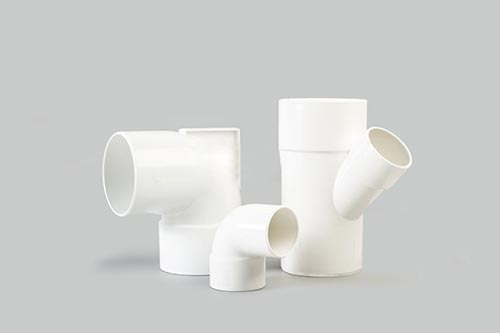
ABS and ABS Blend Polymers
Among TiO2 pigment’s key performance attributes, optical properties, thermal and UV stability, and mechanical property retention are considered to be most critical. Higher tinting strength and bluish-white undertone color help to produce brighter and whiter appearance and can also positively impact the mechanical properties. Because higher tinting strength TiO2 can be used at lower loadings, the mechanical property degradation of the polymer is minimized and the TiO2 pigment economy is improved, resulting in raw material cost savings.
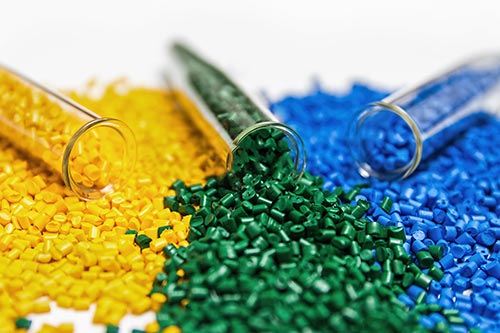
PET/PBT
PET and PET-PBT blends are used for a wide variety of extruded and injection-molded articles. Key requirements of TiO2 used in these resin systems are optical properties, resistance to light discoloration, and reliable mechanical performance.
Acrylic
Titanium dioxide is used to pigment the acrylic polymethylacrylate (PMA) and polymethylmethacrylate (PMMA) for both opaque and semi-opaque applications. Appliances, communication, industrial, and construction applications use opaque whites. Back-illuminated advertising and signboards depend on translucent formulations.
PPS
Because the natural color of polyphenylene sulfide (PPS) is brown, the bluish undertone of XINTU R-103 supports bright white color development in PPS applications. Suitable for mass-tone and tint-tone white applications, it provides bright color and good stability in thermal, mechanical, and rheological properties and offers excellent processibility.
Polyamide
Like other high-performance engineering polymers, polyamide resins demand pigments with a bluish white undertone and a hydrophobic surface. Excellent mechanical, thermal, and rheological performance stability and low amounts of metallic impurities (like iron) are also required.
Polycarbonate and PC Blends
Polycarbonate (PC) and PC blends need a blue pigment undertone to deliver a bright white color in end-use applications. The TiO₂ also needs adequate surface chemical modifications and a thermally stable organic coating to preserve the thermal, rheological, and mechanical properties during processing.
Polystyrene
Recommended XINTU grades can be used to color polystyrene, including high impact polystyrene (HIPS), for non-durable applications requiring a maximum bluish white undertone, high tinting strength, thermal stability during processing, and resistance to light discoloration; as well as applications requiring durability.


3 comments
Esta Reinger
January 25, 2018 at 9:35 am
Est nisi est dolores quisquam. Dolor ducimus molestias sunt delectus. Dicta rerum in expedita quo repellendus dolorum itaque qui. Porro tempore repellendus consequatur voluptas.
Dr. Jaquelin McDermott IV
January 25, 2018 at 9:35 am
Voluptatum a eos culpa vitae numquam non quia quae. Est expedita sunt accusamus ea. Corrupti vel veniam quis et molestiae sint.
Cassandre Hermann
January 25, 2018 at 9:35 am
Blanditiis officiis et non et molestiae. Ipsum tenetur ab qui illo. Illo est quo quae aut soluta.